
Dead Teeth
Causes, Symptoms, and Treatment Options
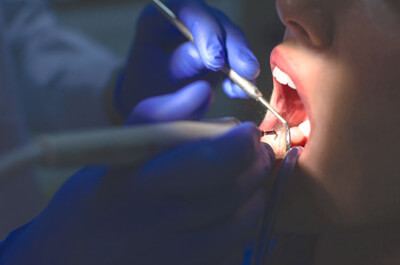 A tooth is considered “dead” when the pulp inside—the part containing blood vessels and nerves—loses its vitality. While teeth are designed to be strong and long-lasting, trauma, decay, or infection can cause the inner tissues to die. A dead tooth may not always cause pain, which is why many patients delay seeking treatment until more serious problems develop.
What Causes a Tooth to Die?
The two most common reasons for a tooth to become non-vital are:
- Trauma or Injury: A fall, sports accident, or even biting into something hard can cut off the blood supply to a tooth. Without circulation, the pulp tissue dies.
- Untreated Decay or Infection: Deep cavities or cracks allow bacteria to penetrate into the pulp chamber. Over time, the infection kills the nerve, leaving the tooth non-vital.
Recognising the Signs of a Dead Tooth
A dead tooth may present with subtle or noticeable symptoms. Common signs include:
- Tooth discoloration (often grey, black, or yellow)
- Sensitivity to temperature or pressure
- Persistent or recurring toothache
- Swelling of the gums or jaw around the tooth
- Bad taste or bad breath caused by bacterial infection
Sometimes, however, a dead tooth has no symptoms at all and is only identified during a dental check-up.
Why Treatment is Essential
 Treatment Options for Dead Teeth
Depending on the extent of damage and infection, we may recommend:
- Root Canal Therapy: The most common treatment, where the infected pulp is removed, and the tooth is disinfected, filled, and sealed. This preserves the natural tooth structure.
- Crown Placement: After root canal treatment, many dead teeth are restored with crowns to protect against future breakage.
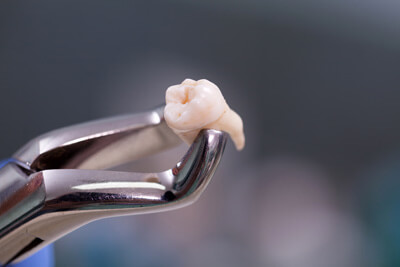
- Extraction: If a tooth is too damaged to be saved, removal may be necessary. We then discuss replacement options such as dental implants, bridges, or partial dentures.
Preventing Tooth Death
Good oral hygiene and regular dental visits are key to preventing dead teeth. Wearing a mouthguard during sports, addressing cavities early, and avoiding trauma risks can significantly reduce the chances of a tooth becoming non-vital.
Our Gentle Approach
We understand the anxiety patients may feel when dealing with a dead tooth. That’s why we emphasise pain-free, minimally invasive dentistry with a focus on long-term success. Our modern techniques ensure patients experience comfort while restoring both function and aesthetics to their smile.
BOOK ONLINE