
Tooth Abrasion
What You Need to Know
 Tooth abrasion is the gradual wearing away of your teeth’s surface. Unlike cavities, which are caused by bacteria, abrasion is typically caused by mechanical habits. While it may start small, over time it can lead to sensitivity, aesthetic changes, and even weaken your teeth.
Common Causes
- Aggressive Brushing: Brushing too hard or using a hard-bristled toothbrush can erode enamel at the gum line.
- Chewing Hard Objects: Nail-biting, chewing pens, or grinding ice can slowly wear down teeth.
- Acidic Diets & Habits: While not the main cause, acidic foods and drinks can soften enamel, making teeth more vulnerable to abrasion.
- Poor Oral Hygiene Techniques: Incorrect brushing angles or excessive force can contribute to enamel loss.
Signs to Watch For
- Notches or grooves near the gum line
- Increased tooth sensitivity, especially to hot, cold, or sweet foods
- Rough edges on teeth
- Yellowing due to underlying dentine exposure
Prevention Tips
- Use a soft-bristled toothbrush
- Avoid brushing immediately after acidic foods or drinks
- Replace your toothbrush every 3-4 months
- Limit habits that wear down enamel
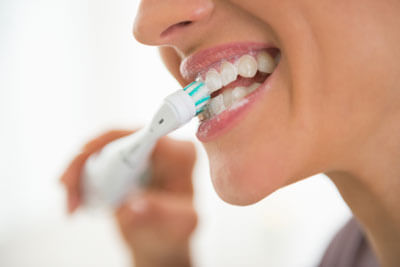
How We Can Help
Our dental team will assess the cause and severity of your tooth abrasion. Depending on your needs, we may recommend:
- Proper Brushing Techniques: Gentle brushing with a soft-bristled toothbrush and the right motion.
- Protective Treatments: Fluoride varnishes or desensitizing gels to strengthen enamel.
- Restorative Options: If abrasion is severe, dental bonding or veneers can restore shape and function.
- Habit Counseling: Guidance to reduce harmful habits like nail-biting or chewing hard objects.
Your Smile, Our Priority
Even small signs of abrasion shouldn’t be ignored. Early intervention can prevent further damage, reduce sensitivity, and help you maintain a healthy, confident smile.